
Planning a meal to build muscle mass isn’t rocket science, and it doesn’t have to be. While most people find it to be a daunting task due to the choice of meals available in the market, a lot of people in an effort to save money spent on take-outs, choose to go for various meal plans available online. With the variety of plans available, it becomes much easier to create a 4000 calorie meal plan in order to build your muscle mass, as well as to be in complete control of what goes into your body.
High alorie meal plans like these are usually recommended during the bulk-phase of your muscle transition. There are some key points that one should keep in mind if you are looking to grow, struggling to grow or planning to run into a bulk phase during your bodybuilding plan.
The first thing to keep in mind is how many days you’re looking to work out and rest. If you’re going for a high intensity training regime, then it is recommended to create a 4000 calorie meal plan for the days that you are training, and to have a 3000 calorie meal plan for the days that you’re resting. Keep in mind that on rest days, do a low-intensity cardio workout such as jogging in order to keep the muscles moving.
The second key point to keep in mind is never to immediately indulge in a high calorie meal plan. Remember to take things slowly and to add up the calories as you reach an equilibrium plateau. This means that once you’ve started on the meal plan, to keep adding the calories once you see that your meals aren’t adding weight to your scales even after working out. It can take a few days to achieve this and is recommended to take things slowly at a pace that you can easily manage. In order to make the most of this bulking phase, you may keep a schedule or a workout plan to keep track of your daily routine. Not only will this help you to adhere to the schedule, but it will also act as a case study if you ever wish to share with anyone the steps that you took to get the results of your hard work.
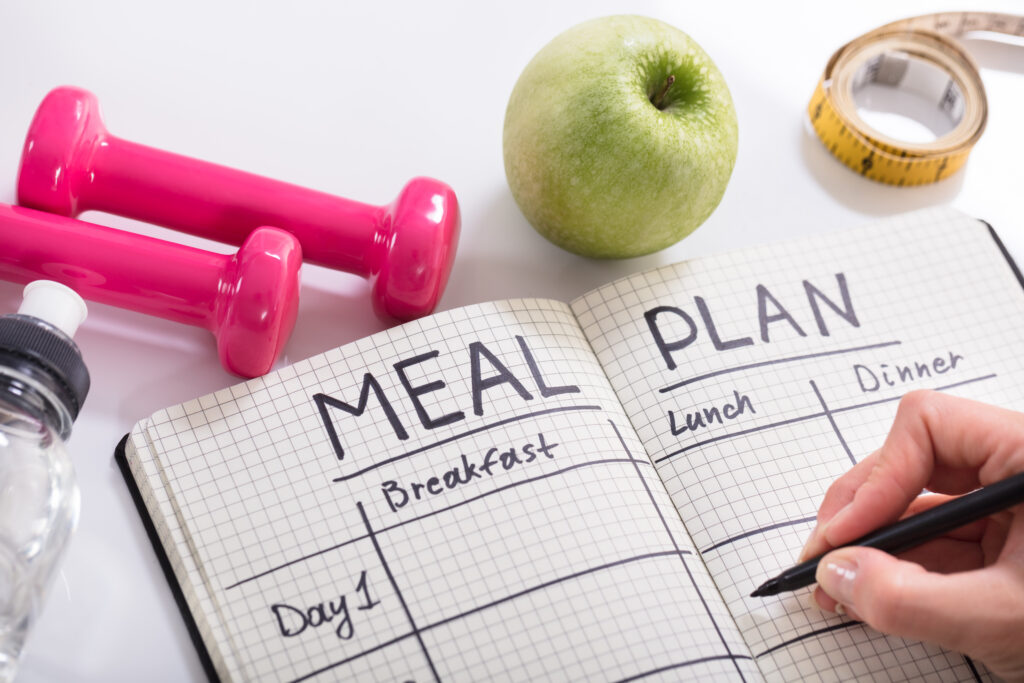
A lot of people decide that in order to make the most gains, to opt for intermittent fasting as a way to keep in check the additional calories that they consume. While it is a method recommended by a lot of people who have had experience in it, it also brings us to our next key point; don’t go for intermittent fasting unless you plan on making changes to your current lifestyle. It’s unhealthy if you still keep on consuming junk food without any real nutritional food. As such, always consult a doctor or your nutritionist if you’re making drastic changes to your diet. After all, they can help you to determine any underlying issues with your health that you may need to address before embarking on such a journey.
With these points out of the way, let’s dive right into the meal plan for you to follow – remember to break down your meals from 3 meals to 5 smaller meals per day in order to make the plan more manageable.
Breakfast (720 calories)
- 1 ½ Cups of Low-Fat Yogurt (113 calories)
One of the best things to fill up your belly in the mornings is yogurt. Not only is it good for the gut, it’s good for your bones and heart. A healthy dose of yogurt is satiating and is rich in proteins and healthy fats. If you don’t like plain yogurt, then try some flavored yogurt instead (but remember to keep the calories in check and to balance accordingly).
- 6 Egg Whites (102 calories)
Eggs are an excellent source of inexpensive, high-quality protein. Whole eggs are essential for muscle building and gaining weight. I consider them a super food. If one cannot eat eggs I suggest trying our egg white protein powder products.
-
 Egg White Protein 2 lb$59.99
- ½ Cup of Halved-Strawberries (33 calories)
Strawberries are an excellent source of vitamin C, manganese, folate (vitamin B9) and potassium. Being rich in antioxidants, they are beneficial for the heart and in controlling blood sugar levels.
- 3 Whole Eggs cooked in 2 tablespoons of olive oil (472 calories)
For this, you can either have fried eggs cooked in olive oil, or if you prefer an omelet seasoned with salt and pepper.
- 2 Slices of Whole Grain Bread (232 calories)
Whole Grain Bread is an excellent source of fiber to help keep your guts healthy. Research has shown that it is also good for the heart and for controlling type 2 diabetes.
First Snack (615 calories)
- Whole Chicken Breast (239 calories)
- Half of a medium sized Avocado (160 calories)
- 1 Cup of Cooked Brown Rice (216 calories)
The first snack doesn’t have to be boring in flavor or nutrients. Chicken is an excellent source of lean proteins that are helpful in maintaining and building muscle mass. It also helps in controlling homocysteine amino acid levels which can usually lead to heart disease.
Avocados provide a substantial amount of healthy monounsaturated fatty acids and are a good energy booster for when you’re hitting the gym.
Brown Rice helps to lower cholesterol levels while helping move the digestive tract and may help prevent the formation of blood clots.
Lunch (819 calories)
- 1 Fillet of Grilled Chum Salmon (476 calories)
Salmon is one of the best sources of omega-3 fatty acids and a great source of proteins. If you don’t happen to like fish, you can also switch it for Turkey breasts (8 oz. serving).
- One Cup Mashed Potatoes (232 calories)
Potatoes are a good source of vitamin C and are fat free. If you’re lactose intolerant, you can always substitute for soy milk or 1% skimmed milk when making mashed potatoes.
- One Glass of Orange Juice (111 calories)
Oranges are super fruits. They’re rich in many antioxidants and nutrients, and may help in preventing kidney stones as well as may decrease inflammation (which will be helpful when you’re working out).
Second Snack (535 calories)
- One whole-grain bagel (250 calories)
Whole wheat bagels have a lot of fiber, which is great for digestive health and for a healthy heart. It also contains iron, which is great for keeping your blood pumping.
- 3 tablespoons of creamy peanut butter (285 calories)
Peanut butter has protein as well as potassium, which lowers the risk of high blood pressure, stroke and heart disease. Plus, it’ll add flavor to your bagel and makes for an excellent quick snack!
Dinner (1,170 calories)
- Ground Beef, 70% lean / 30% fat (332 calories)
While beef is an excellent source of proteins, vitamins and minerals, most people forget about its selenium value. Selenium is essential for DNA synthesis and thyroid function.
- Red Beans and Rice (838 calories – 1 serving)
Red beans are a good resource to control your blood sugar levels. While it improves digestion, it can also be used as a source of weight loss while improving your overall bone and skin health.
Rice is a quick source of energy which will be very beneficial for your workouts when you’re needing a sudden energy boost. Eating a daily portion of rice not only makes dieting and digestion easier, but it’s linked to improved all-round health.
Pre and post workout shake (132 calories each)
While the above 4000 calorie meal plan is important, it will be an added benefit to have some pre and post workout shakes in order to have great gains within limited amounts of time. If you’re looking for protein shake recommendations, we’ll suggest to try our Whey Protein range in order to find the right fit for your bulking needs.
- Whey Protein (27 calories)
-
 GRO PRO PEPTIDES — High-Performance Whey & Casein Protein Blend$82.99 — or Original price was: $82.99.$74.69Current price is: $74.69. / month
It is a byproduct of the manufacture of cheese or casein and has several commercial uses. Whey protein is incredibly versatile. Not only can it be used for after workouts, whey protein can also be consumed with breakfast, as a snack, pre and post workout, with dinner or even right before it’s time for bed.
- One Medium Sized Banana (105 calories)
Bananas not only give you that much needed energy boost, but they are also a respectable source of vitamin C, potassium, manganese and vitamin B6. They also help you to feel full and adding them to the whey protein shakes will help to add some flavor. You can also substitute bananas with any other fruit that you like, such as strawberries, watermelon or even peaches.
Don’t Skimp on those Snacks
If you’re wise about choosing your snacks on a 4,000-calorie meal plan, they can not only help in keeping your energy at a moderate level but also help in maximizing your nutrients intake. If you just keep choosing foods that are high in fat, such as processed junk food and sugary drink such as carbonated soft drinks, they will only keep on adding empty and useless calories without truly giving your body any proper nourishment.
The above-mentioned plan gives you a total of 3,991 calories per day. An important thing to keep in mind to keep a three-hour difference between each meal. It is recommended starting early morning so that you can go to bed with digested food rather than your stomach being full. Not all everyone is created equally and what works out for someone else may not necessarily work out for you.
Also, you’re free to add your own foods and snacks to the above-mentioned plan. You don’t necessarily have to stick to this suggested regime, however, it will be helpful to you if you’re on a budget. This 4000 calorie meal plan was made with keeping lactose intolerance in mind. If you’re not sure about the yogurt, you can always substitute it for coconut kefir (recommended as the best alternative for yogurt). However, yogurt contains live bacteria that can help break down lactose, so you don’t have much to digest by yourself. If you’re still not comfortable with yogurt in your meal plan, then soy or coconut milk yogurts are also a good alternative to use.
Peanut butter is one of my favorites
Keeping Track of Your Meals and Progress
While keeping logs and track of every meal and snacks will help you reach your goal of 4,000 calories per day, it may seem to be a daunting task at first. However, logging your meals gets easier with time. If you find that keeping track takes too much of your time, you can always set aside a day to optimize your 4000 calorie meal plan when you’re not hitting the gym, over the weekend or whatever suits your lifestyle. Keep a notebook and a pen ready, or download a meal planner app on your phone if it seems to be more feasible for you to keep track of your progress.
Afterword
I think it’s fair to say that it’s quite a lot of food, especially in terms of volume, but you can reach this point by taking things slowly – one step at a time. This is to avoid gaining fat if you’re not leading an active lifestyle and suddenly add a lot of food and calories to your diet. A lot of people struggle to consume additional calories, especially if they need them in order to grow. The plan outlined here is calorie dense in order to be more helpful to the reader and for those looking to add calories to their diet. The whole concept of this mini-guide is to give the reader an idea about lean bulking and what they can do to adhere to it. If you find that you cannot manage 5 to 6 meals per day, it’s not a problem if you stuff these in 3 to 4 meals per day.
A thing to note is that while people focus on hitting the gym for high-intensity workouts and various 4000 calorie meal plan, it is equally important that you don’t skimp out on your rest and relaxation. Sleep is as important as your diet and lack of it not only affects your performance, but it can also lead to weight gain, poor energy levels and mood swings.
Keeping the above guide in mind, we wish you the best for your journey ahead and if you need any help or suggestions, do give us a shout at our Facebook page.
Day 7 Macronutrient Breakdown
Breakfast
- Calories: 640
- Protein: 43g
- Carbs: 77g
- Fat: 18g
Meal:
- Multi-grain bagel topped with 2 tbsp reduced-fat cream cheese and 4 oz smoked salmon
- 1 pear
Mid-Morning Snack
- Calories: 348
- Protein: 26g
- Carbs: 44g
- Fat: 8g
Meal:
- 1 serving of whole-grain crackers
- 1 cup low-fat cottage cheese (used as a dip for the crackers)
Lunch
- Calories: 590
- Protein: 62g
- Carbs: 55g
- Fat: 12g
Meal:
- Sandwich: 2 slices of whole-grain bread with 6 oz ham, 2 oz reduced-fat cheese, sliced tomato, lettuce, and a topping of honey mustard
- 1 serving of vegetable sticks
- 1 cup low-fat milk
Afternoon Snack
- Calories: 736
- Protein: 66g
- Carbs: 71g
- Fat: 16g
Meal:
- Meal replacement shake: 2 cups low-fat milk, 2 cups frozen fruit, 1 tbsp flax oil, and water to adjust thickness
Dinner
- Calories: 680
- Protein: 52g
- Carbs: 97g
- Fat: 8g
Meal:
- 6 oz homemade sirloin burger patty on a whole-wheat bun
- 2 cups steamed vegetables
- 1 large sweet potato
- 1 cup skim milk
After Dinner Snack
- Calories: 241
- Protein: 24g
- Carbs: 28g
- Fat: 4g
Meal:
- 6 oz ham sandwich: 2 slices of whole-grain bread, 2 oz reduced-fat cheese, sliced tomato, and lettuce with honey mustard
- 1 cup low-fat cottage cheese
- 1 cup mixed fruit (canned)
These breakdowns provide a clear picture of the macronutrient content for each meal, helping you manage your nutrition effectively.
High-Protein, High-Carb Midday Snack Combinations
When you’re looking for a midday snack that packs both protein and carbs, variety is key. Here are some balanced and nutritious options to keep you energized and satisfied.
Mid-Morning Snack Ideas
- Peanut Butter, Banana, and Honey Sandwich
- Ingredients:
- Whole-grain bread (2 slices)
- Peanut butter (2 tbsp)
- Banana (1, sliced)
- Honey (2 tbsp)
- Nutritional Profile: Approximately 600 calories, 25 grams of protein, 85 grams of carbs, and 18 grams of fat.
- Ingredients:
- Tuna and Brown Rice
- Ingredients:
- Tuna (1 can)
- Brown rice (2 cups, cooked)
- Salsa (to taste)
- Plum (1 medium)
- Nutritional Profile: Around 700 calories, 40 grams of protein, 100 grams of carbs, and 5 grams of fat.
- Ingredients:
- Cottage Cheese and Crackers
- Ingredients:
- Whole-grain crackers (1 serving)
- Low-fat cottage cheese (1 cup, use as dip)
- Nutritional Profile: About 348 calories, 26 grams of protein, 44 grams of carbs, and 8 grams of fat.
- Ingredients:
Afternoon Snack Ideas
- Yogurt and Cottage Cheese Delight
- Ingredients:
- Low-fat vanilla yogurt (1 cup)
- Fat-free cottage cheese (1 cup)
- Blueberries (1 cup)
- Wheat germ (2 tbsp)
- Honey (1 tbsp)
- Nutritional Profile: Approximately 600 calories, 38 grams of protein, 80 grams of carbs, and 2.5 grams of fat.
- Ingredients:
- Protein Shake Combo
- Ingredients:
- Protein shake (1 serving)
- Skim milk (1 cup)
- Fruit (2 large pieces)
- Nutritional Profile: Around 658 calories, 40 grams of protein, 84 grams of carbs, and 18 grams of fat.
- Ingredients:
- Meal Replacement Shake Mix
- Ingredients:
- Meal replacement shake (1 serving)
- Skim milk (1 cup)
- Frozen fruit (2 cups)
- Nutritional Profile: About 675 calories, 50 grams of protein, 80 grams of carbs, and 18 grams of fat.
- Ingredients:
Tips for High-Protein, High-Carb Snacks
- Mix dairy and fruit: Combining yogurt or cottage cheese with fruits adds natural sugars and fiber alongside protein.
- Use whole grains: Whole-grain breads and crackers provide complex carbs and additional protein.
- Add natural sweeteners: Incorporate honey or natural peanut butter for added flavor and energy.
- Lean proteins: Use sources like tuna or lean poultry to keep your protein intake high without unnecessary fats.
By diversifying your snacks, you ensure you’re getting a wide range of nutrients while maintaining high protein and carb intake. These balanced options will support your energy levels and muscle health throughout the day.
Sample After-Dinner Snacks for Weight-Gain Meal Plan
If you’re looking to pack on some pounds, incorporating high-calorie, nutrient-dense snacks after dinner can be a game-changer. Here’s a variety of after-dinner snacks that are both delicious and effective for weight gain:
1. High-Protein Pudding
- Macros: 400 calories, 40g protein, 45g carbs, 5g fat
- Ingredients: 1 serving of high-protein pudding.
2. Peanut Butter Smoothie
- Macros: 600 calories, 30g protein, 35g carbs, 16g fat
- Ingredients: 1 serving of protein shake blended with peanut butter.
3. Protein Shake with Fruit and Brown Rice
- Macros: 458 calories, 32g protein, 42g carbs, 18g fat
- Ingredients:
- 1 protein shake
- 1 large piece of fruit
- 2 cups of cooked brown rice
4. Enhanced Meal Replacement Shake
- Macros: 736 calories, 66g protein, 71g carbs, 16g fat
- Ingredients:
- 1 meal replacement shake mixed with:
- 2 cups low-fat milk
- 2 cups frozen fruit
- 1 tbsp flax oil
- Add water to achieve desired thickness.
- 1 meal replacement shake mixed with:
5. Ham Sandwich and Cottage Cheese Combo
- Macros: 241 calories, 24g protein, 28g carbs, 4g fat
- Ingredients:
- 2 slices whole-grain bread topped with:
- 2 oz. Reduced-fat cheese
- Sliced tomato and lettuce
- Honey mustard
- 6 oz. Of ham
- 1 cup low-fat cottage cheese
- 1 cup mixed fruit (canned)
- 2 slices whole-grain bread topped with:
These snacks are designed to help you reach your weight gain goals by providing a balanced mix of proteins, carbs, and fats. Whether you prefer a simple protein shake or a more elaborate ham sandwich, there’s something here for everyone.
Recommended Ingredients for a High-Protein Pudding Snack
Creating a high-protein pudding snack is a great way to satisfy your sweet tooth while meeting your nutritional needs. Here are the suggested ingredients:
- Protein Powder:
- Whey protein: Fast-digesting and ideal post-workout.
- Casein protein: Slower-digesting, perfect for a sustained protein release.
- Low-Fat or Fat-Free Milk:
- Dairy milk: Adds creaminess and additional protein.
- Almond milk: For a lower-calorie, lactose-free option.
- Greek Yogurt:
- Rich in protein and probiotics, adding thickness and creaminess.
- Chia Seeds:
- High in protein, fiber, and omega-3 fatty acids.
- Cocoa Powder:
- For a rich, chocolatey flavor without the added sugars.
- Natural Sweeteners:
- Stevia or monk fruit: For a calorie-free sweetening option.
- Honey or maple syrup: For a touch of natural sweetness.
By combining these ingredients, you can create a delicious, nutritious pudding that supports your protein intake goals. Enjoy!
How to Make a High-Protein Breakfast Burrito
Nutritional Breakdown:
- Calories: 761
- Protein: 51g
- Carbs: 88g
- Fat: 20g
Ingredients:
- 2 whole eggs
- 4 egg whites
- 1/2 cup salsa
- 1 cup diced peppers
- 1/2 cup reduced-fat pepper jack cheese
- 4 whole wheat tortillas
Instructions:
- Prepare the Eggs:
Crack the eggs and separate four egg whites into a bowl. Add two whole eggs to the same bowl. Beat the mixture thoroughly until well-blended. - Cook the Peppers:
Dice one cup of bell peppers. In a non-stick skillet over medium heat, sauté the peppers until they begin to soften. - Combine Salsa and Eggs:
Add 1/2 cup of salsa to the eggs, mixing it in well. Pour the egg mixture into the skillet with the sautéed peppers. Cook until the eggs are fully scrambled. - Mix in the Cheese:
Once the eggs are scrambled, sprinkle 1/2 cup of reduced-fat pepper jack cheese over the mixture. Stir until the cheese has melted and is evenly distributed. - Assemble the Burritos:
Lay out the four whole wheat tortillas. Evenly distribute the scrambled egg mixture into each tortilla. Top with an additional spoonful of salsa, if desired. - Roll and Serve:
Roll each tortilla into a burrito shape, securing the filling inside. Your high-protein breakfast burritos are now ready to serve.
This simple recipe is perfect for those looking to start their day with a protein-packed meal. Enjoy a delicious and nutritious breakfast burrito that fuels your body right from the get-go!