
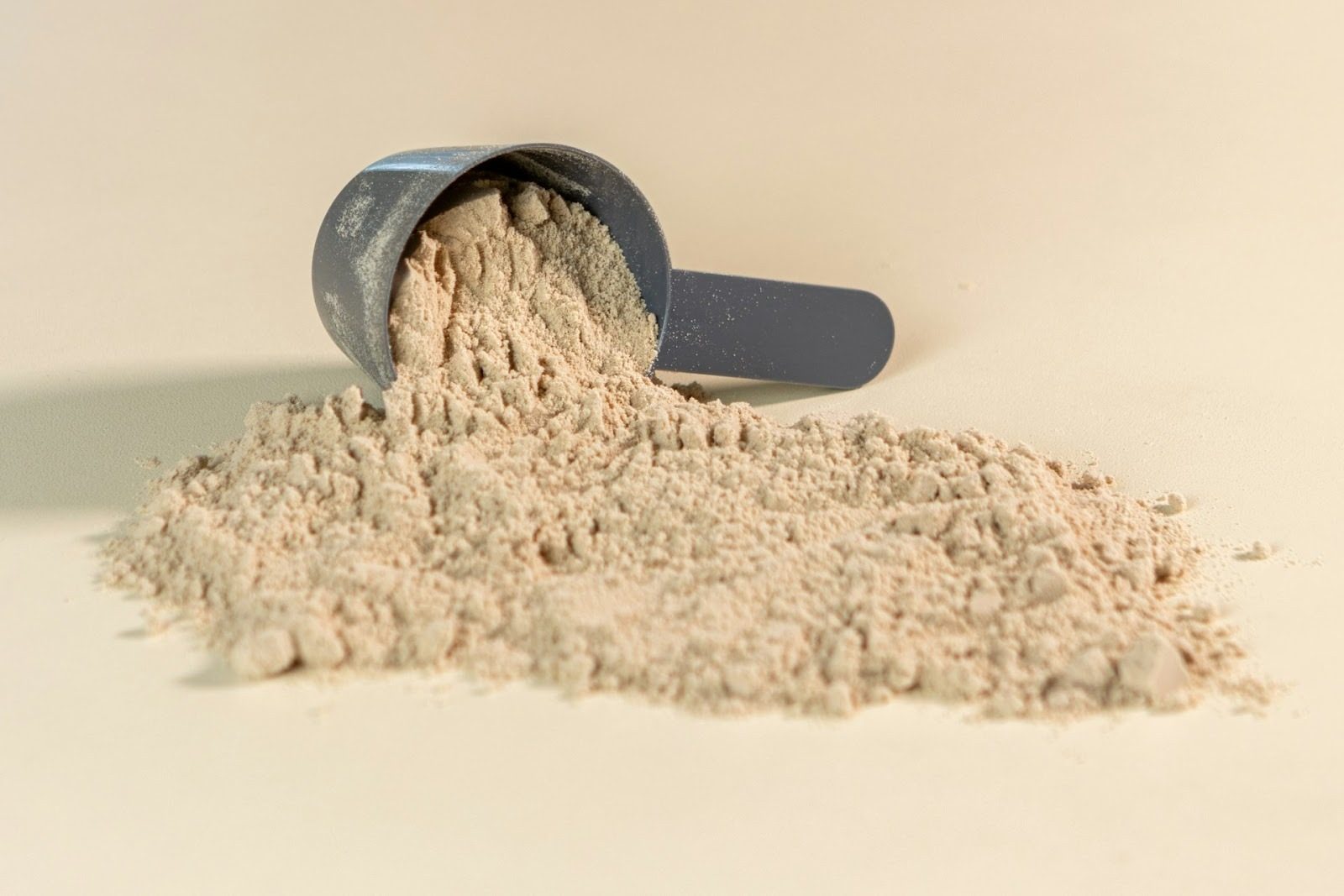
Photo by Aleksander Saks on Unsplash
Most people hear “whey protein” and picture a shaker bottle at the gym. In medical nutrition the story is very different. Here the goal is not a bigger bench press. It is healing, maintaining strength, and making sure fragile patients can actually tolerate what they are given to drink or receive through a tube.
That different goal changes everything. Medical formulas have to be predictable, easy on the gut, low in allergens, and concentrated enough to matter even when a patient can only sip a few ounces at a time. Many patients are older, recovering from surgery, living with chronic disease, or dealing with gut problems that make ordinary food hard to handle. In that setting, basic whey concentrate often is not enough, which is why two forms of whey keep showing up in clinical style products: whey isolate and whey hydrolysate.
Why whey is such a useful starting point
Whey is still the foundation because it is a complete dairy protein with all the essential amino acids and a naturally high leucine content, which is key for stimulating muscle protein synthesis. It mixes well, tastes relatively mild, and has decades of safe use behind it.
When you look at how different whey grades are used, you can see how processing changes the protein. A breakdown of premium whey protein powder shows how filtration and raw material quality affect digestibility, lactose content, and overall purity, which are exactly the variables that matter when you move from a casual shake to a clinical style product.
Once whey is the base, the real question is how far you refine it. That is where isolate and hydrolysate come in.
Whey isolate: a lot of protein with very little “extra”
Whey isolate is whey that has been pushed through more intensive filtration to remove most of the lactose, fat and non protein solids. The result is a powder that often delivers around 90 percent protein by weight with very little carbohydrate or fat.
That matters a lot in medical nutrition. Many patients have some degree of lactose intolerance or simply react badly to dairy when they are sick. Lower lactose usually means fewer problems with gas, bloating, or diarrhea. Higher protein density also allows dietitians to give enough protein in smaller volumes, which is important if someone has a poor appetite, is on fluid restriction, or gets full very fast.
An overview of 100% whey isolate protein powders shows how this style of protein ends up very lean and low in sugar. In a sports setting that helps people who are cutting calories. In a medical setting it helps patients who need protein without a lot of extra energy or who have blood sugar and fat intake tightly controlled.
Whey hydrolysate: when digestion needs extra help
Whey hydrolysate starts from the same raw material but then goes through an extra step. Enzymes break the protein into smaller chains called peptides. You can think of it as “pre digested” whey. Because those peptides are smaller, they move through the stomach faster and appear in the bloodstream more quickly than intact whey. Studies in both sports and clinical nutrition show that hydrolyzed whey tends to raise blood amino acid levels faster and can be particularly useful right after stress or trauma.
Hydrolysate first became popular in sports nutrition for lifters and endurance athletes with sensitive stomachs. Over time it became clear that the same properties make sense for patients whose digestion is under heavy stress. When you look at a truly aggressive hydrolysate like a 100 percent hydrolyzed whey protein, you can see how far this can go. The powder is almost entirely made of very small peptides, with no intact protein at all, which is why it is so easy to absorb.
That “pre digestion” is valuable when the gut is inflamed, after major surgery, or when a patient has trouble making enough digestive enzymes. It is also useful in tube feeding formulas where the goal is to get amino acids into the bloodstream with as little digestive work as possible.
Bariatric surgery and very small stomachs

Photo by Eugene Chystiakov on Unsplash
One group that shows clearly why isolate and hydrolysate matter is bariatric patients. After weight loss surgery, stomach volume is much smaller and digestion is altered, but protein needs to stay high if you want to preserve lean mass and keep hair, skin and nails healthy. Sipping a big, heavy shake is almost impossible. A concentrated, gentle formula is much more realistic.
This is where highly refined isolate or hydrolysate based products shine, because they deliver a lot of protein in a small volume and tend to sit more comfortably. Choosing a dedicated protein powder for bariatric patients that focuses on digestibility and tolerance can make the difference between consistent daily intake and constant nausea or bloating.
Why isolate and hydrolysate keep winning in medical nutrition
If you look at the ingredient lists for many medical shakes, tube feeds and specialized clinical formulas, you will often see “whey protein isolate” or “whey protein hydrolysate” right near the top. There are several reasons these two keep showing up.
First is tolerance. Isolate keeps lactose very low, which helps many people who would react to regular dairy. Hydrolysate goes even further and often works better in patients with more serious gut issues. When someone is already dealing with nausea, pain or diarrhea, that extra bit of comfort is a big win.
Second is efficiency. Medical teams often need to deliver 60 to 100 grams of protein per day in small total volumes, especially in intensive care, oncology or geriatrics. High purity proteins like isolate and hydrolysate make that math easier. You can reach the target with fewer milliliters or smaller servings, which matters when appetite and capacity are limited.
Third is consistency and control. These ingredients are made to tight specifications, which is important when formulas must match the label every time. For clinicians who are calculating exact protein and calorie targets, that reliability is worth a lot.
Finally, there is the evidence base. Research on hydrolyzed whey in particular is strong in both sports and clinical contexts. Our article on the science backed benefits of hydrolyzed whey protein describe how smaller peptides can speed up amino acid delivery and support recovery after intense stress, which is very similar to what a patient faces after surgery or severe illness, even if they never step into a weight room.
Support for older adults, wounds and chronic disease
The dominance of isolate and hydrolysate is not just an ICU phenomenon. You also see these proteins in products aimed at older adults who are losing muscle, people with long lasting wounds, or patients who are slowly recovering from major illness.
As people age, digestion tends to slow and appetite often drops. A shake built around a high purity whey isolate that tastes simple and mixes cleanly can be much easier to finish than a large plate of food. In chronic wounds and pressure ulcers, protein requirements go up, and the body needs a steady supply of amino acids to rebuild tissue. Fast acting hydrolysates are well suited to that job because they get amino acids into circulation quickly.
A more general overview of the benefits of whey protein powder for athletes explains how whey supports muscle repair and recovery, improves strength, and helps maintain lean mass. Those same mechanisms help an older adult keep enough muscle to get out of a chair or a patient regain strength after a long hospital stay.
Not the only option, but still the workhorses
Of course whey isolate and hydrolysate are not perfect for everyone. People with a true dairy protein allergy need different solutions. Some patients do better with casein based formulas, soy, or plant based blends that match their ethics or religious needs. In kidney disease, the total amount of protein has to be managed carefully no matter what source is used.
There are also taste considerations. More highly hydrolyzed proteins can be bitter if flavoring is not handled well. That is one reason you see a wide range of formulas. Some use blends that include casein or egg proteins. Others use a mix of whey and plant proteins. The variety reflects the different needs in clinical practice.
Even with those caveats, isolate and hydrolysate remain the default tools because they solve common problems so well. They are easy to work into formulas, provide a consistent amino acid profile, and come with long experience in both research and real world use.
Why they are likely to stay on top
Photo by Andrey Khoviakov on Unsplash
New protein sources will keep appearing. Fermented proteins, novel plant proteins and more sophisticated blends are already on the market. Some of these will find a home in medical nutrition, especially where allergies, sustainability or other concerns push the industry to diversify.
Still, hydrolyzed and isolated whey have a big head start. They offer high purity, quick absorption, and strong clinical support. Categories like hydrolyzed protein powders and whey protein powders show how many different ways these core ingredients can be used.
As long as clinicians need to deliver a lot of protein in a small, gentle, predictable package, whey hydrolysate and whey isolate will keep dominating medical nutrition. They are not flashy and they are not new, but they quietly do exactly what patients need at some of the most vulnerable moments of their lives.