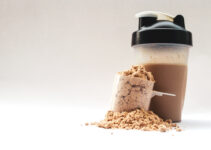
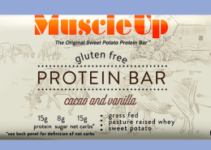
When it comes to buying protein powder, most people don’t realize just how easy it is to get ripped off—especially if you’re buying flavored protein powders. In this blog post, I’m going to walk you through exactly how to make smart buying decisions so you’re getting what you think you’re paying for: high-quality protein, not fillers and fluff.

First, Let’s Talk About Protein Content
Here’s the truth: no protein powder is 100% protein. The highest you’re going to find—especially with whey isolate—is about 90% pure protein. That’s exactly what we offer with our Wisconsin Whey Protein Isolate here at Protein Factory.
Let me show you what that actually looks like.
Let’s say you have 1,000 grams of whey isolate. Because it’s 90% protein, only 900 grams is actual protein. The rest? That’s non-protein material—moisture, trace fats, minerals, and other natural remnants from the manufacturing process. It’s not “bad,” it’s just the limit of how pure whey isolate can get.
The takeaway? Even the best protein powders come with 10% of non-protein material. That’s normal.
How to Calculate Protein Percentage (and Why It Matters)
If you want to know exactly how much protein you’re getting per scoop, you need to do one simple calculation:
Protein grams per serving ÷ Serving size in grams = Protein percentage
Example:
If the label says the serving size is 30 grams, and you’re getting 20 grams of protein:
20 ÷ 30 = 0.66 → That’s 66% protein.
Use this guide to evaluate the quality:
- 90% or higher: Excellent (typically unflavored whey isolate)
- 75–80%: Average (standard for some whey concentrates)
- 65–75%: Poor (too many fillers and flavorings)
- Below 65%: Junk. Snake oil. You’re getting ripped off.
Most flavored protein powders fall into the poor or junk category. They’re marketed like they’re premium—but they’re mostly flavoring agents and hype.
Now Here’s Where the Scam Happens: Flavored Protein Powders
Most big-brand companies don’t sell you protein by purity. They sell it by serving size. Why? Because if they told you the actual percentage of protein you were getting, you’d be shocked.
Take flavored whey protein for example. Most of them are only about 70% protein—some as low as 65%! That means in a 1,000g tub, you’re only getting about 700g of protein. The other 300 grams? That’s flavoring, sweeteners, gums, oils, and artificial ingredients.
Let’s break it down visually:
- 900g protein in 1,000g of pure whey isolate (90%)
- 700g protein in 1,000g of flavored whey (70%)
That’s 200 grams less actual protein, but you’re still paying full price.
What Are You Really Swallowing?
That missing 200-300 grams? It’s flavoring agents, coloring, thickening gums, preservatives, and artificial ingredients. You’re literally paying a premium for less protein and more junk—just to make it taste like a milkshake.
That’s the dirty secret of flavored protein powder.
Why Protein Factory Does It Differently
At Protein Factory, we sell unflavored, high-percentage protein powders—like our Wisconsin Whey Isolate—so you know exactly what you’re putting into your body. No hidden fillers. No artificial colors. No seed oils. Just real, lab-tested protein you can trust.
We’re one of the few companies that talk about protein percentage instead of just serving size. That’s because we’re not trying to trick you—we’re trying to educate you.
Junk Protein Powders
Here’s a comparison chart of 10 popular flavored protein powders on Amazon (and other mainstream retailers) that fall below 70% protein—an indication you’re paying more for flavor fluff than actual protein:
| Brand & Flavor | Protein g | Serving g | Protein % | Quality Rating |
|---|---|---|---|---|
| BSN Syntha‑6 (all flavors) | 22 g | ~47 g | ≈ 47% (Junk) | |
| Body Fortress Super Advanced Whey (chocolate) | 60 g (2 scoops) ≈ 30 g/serv | 60 g | ≈ 50% (Junk) | |
| Body Fortress Super Advanced Whey (vanilla) | same as chocolate | 60 g | ≈ 50% (Junk) | |
| Body Fortress Super Advanced Whey (strawberry) | same | 60 g | ≈ 50% (Junk) | |
| PEScience Select Whey + Casein | ~24 g | ~35 g | ≈ 69% (Poor) | |
| Optimum Nutrition Gold Standard (chocolate) | 24 g | ~30 g | ~80% (flavored blend) above 70% — excluded | |
| ISOPURE Clear Low Carb (fruit flavor) | 20 g | ~32 g | ~63% (Junk/Poor) | |
| Other flavored blends (e.g., generic WPC) | ≈ 20 g | ~32 g | ≈ 62% (Junk/Poor) common in flavored WPC | |
| Similar competitors (e.g., whey concentrate) | ~22 g | ~35 g | ≈ 63% (Junk/Poor) typical of flavored concentrate | |
| Additional flavored blends (casein/whey mix) | ≈ 24 g | ~40 g | ≈ 60% (Junk/Poor) standard in many flavored mixes |
Key Takeaways
- Below 65% protein? That’s junk—you’re paying mostly for flavor, gums, thickeners, sweeteners, and artificial colors.
- 65–75% is poor quality—still too much filler.
- BSN Syntha‑6, at ≈ 47%, is a classic example of a shake marketed like protein but mostly dessert.
- Body Fortress flavored variants, with ≈ 50% protein, offer little real value nutritionally.
- Blended powder options (whey + casein or flavored concentrates) often hover around 60–69% when flavored.
Final Thought: Read the Label, Know the Percentage
Before you buy any protein powder, flavored or not, ask yourself:
- What percentage of this is actual protein?
- What am I paying for—protein or sweeteners and fluff?
If you want real results, you need real protein. Don’t waste your time—or your money—on 70% protein powders packed with garbage. Go for 90% and feel the difference.
Ready to Upgrade Your Protein?
Check out our Wisconsin Whey Protein Isolate — 90% protein, no BS.
Shop now at ProteinFactory.com

Alex Rogers is a supplement manufacturing expert. He has been formulating, consulting, & manufacturing dietary supplements since 1998. Alex invented protein customization in 1998 & was the first company to allow consumers to create their own protein blends. He helped create the first supplement to contain natural follistatin, invented whey protein with egg lecithin, & recently imported the world’s first 100% hydrolyzed whey.