When men look to increase testosterone, build lean muscle, and improve strength or recovery, many turn to over-the-counter “testosterone boosters.” These products — pills or powders — often market themselves with bold claims like “boost T naturally,” “increase strength and libido,” or “turn back the clock.” But what does the science actually show? And why many of these boosters underdeliver.
The Evidence (or Lack Thereof) for Traditional Testosterone Boosters
A broad review of commercial T-booster supplements found that while around 90% of them claim to “boost T,” only about 24.8% have any published data supporting a real effect on testosterone levels. PMC Many use a cocktail of vitamins, minerals, and herbal extracts (e.g. zinc, magnesium, fenugreek, ashwagandha, etc.). Medical News Today+2healthline.com+2
Moreover, conventional medical guidance on such supplements remains cautious: as of 2025, experts state there is insufficient evidence to confirm their effectiveness — and over-the-counter boosters are rarely recommended by physicians. Medical News Today+1
Even among those herbs and extracts that have shown occasional promise — such as fenugreek or ashwagandha — results are modest, inconsistent, and often limited to small or preliminary studies. PMC+2healthline.com+2
Add to that the reality of supplement formulation: many of these products either dose poorly or rely on “proprietary blends,” making it difficult to assess what you’re actually getting, or whether the dosage is biologically meaningful. PMC+1
In short: the majority of mass-market testosterone boosters amount to a “hopeful” raise in hormone levels — but one without robust, reproducible data.
Why “Higher T Number” ≠ “Better Performance”
Even if a supplement manages to raise testosterone (or total T numbers), that doesn’t guarantee you’ll see improved strength, lean mass, recovery, or overall athletic performance. Hormones like testosterone are only part of the equation. To convert elevated T into tangible results, your body needs:
- Efficient hormone utilization (i.e. receptor sensitivity, proper signaling)
- Strong energy metabolism & oxygen delivery (so muscles can work hard, fuel properly, recover)
- Effective cellular health and mitochondrial support (to manage stress, support recovery, prevent breakdown)
Most traditional boosters ignore these — they aim solely for hormone levels.
And clinically, experts remain skeptical about the broader benefits of just raising testosterone in otherwise healthy men: while testosterone therapy can help men with clinically low T or hypogonadism, its benefits in healthy, active men (e.g. for “vitality,” athletic performance, energy) are far less clear. Mayo Clinic+1
What a Performance-Oriented Stack Should Do — And Why It Matters
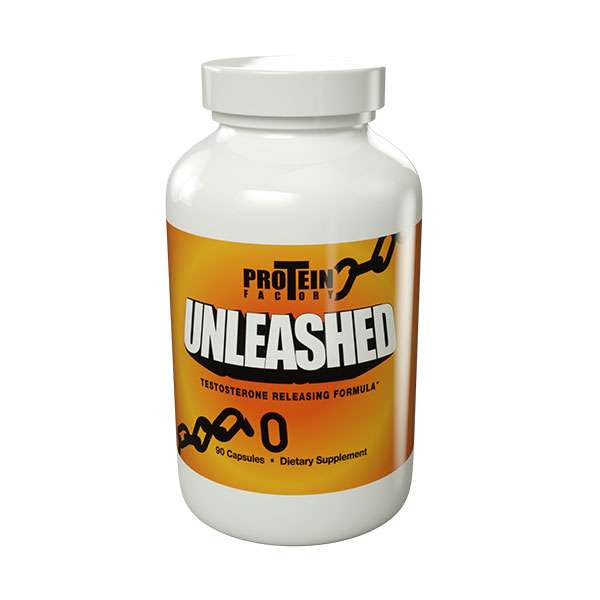
If you accept that hormone levels alone don’t guarantee results, the logical next step is a stack designed to optimize how your body uses testosterone, how it fuels training, and how it recovers and adapts at the cellular level. That’s where a structured stack like Unleashed + EnduraQuin + Olivabolic aims to diverge from the mainstream.
A Multi-Pathway Approach: Beyond “Just Boost T”
- Androgen Signaling & Hormone Utilization: Instead of simply trying to nudge endogenous testosterone production, a well-formulated product should help amplify the anabolic signal, improving receptor sensitivity and ensuring that available T supports muscle, strength, recovery, and performance.
- Energy Metabolism & Blood Flow: Supplements that support nitric oxide (NO) pathways — or oxygen/nutrient delivery — can theoretically improve blood flow, oxygenation, nutrient transport to muscles, and promote better performance under stress. PMC+2PubMed+2
- Cellular & Mitochondrial Health: Intense training, testosterone-driven anabolic demand, and high-performance stress require robust cellular machinery. Supporting antioxidant protection, mitochondrial efficiency, and metabolic resilience can help reduce oxidative stress, aid recovery, and support sustainable gains.
In other words: the stack treats performance as a systems-level challenge — not just a hormonal number.
Why This Approach Could Outperform Traditional T-Boosters
- More Consistent Mechanistic Logic: Rather than chasing marginal changes in T numbers (that may or may not translate to gains), a performance-oriented stack supports the downstream pathways that determine whether T leads to real results.
- Balanced Performance & Health Focus: By including ingredients supporting circulation, recovery, and cell health — not just hormone spikes — you’re building a foundation for sustainable strength, recovery, and long-term wellness.
- Better Return on Investment: Given that many standard “boosters” produce weak or inconsistent hormonal changes, a stack that optimizes utilization and performance pathways can potentially deliver clearer, more reliable results — especially for those already training hard, on TRT, or pursuing serious athletic goals.
The Reality Check: Evidence Is Still Mixed — Know the Limits
It’s important to emphasize that research is still evolving. For example:
- Studies on nitric-oxide precursors (common in “pump” or NO-type supplements) show mixed results. Some demonstrate enhanced oxygen and nutrient delivery, improved endurance or exercise tolerance — especially in moderately trained individuals. PMC+2PubMed+2
- But in more highly trained or elite athletes, the ergogenic (performance) benefits of NO-boosting supplementation often disappear or are unremarkable. PubMed+1
- Meanwhile, clinical guidance on testosterone therapy warns that benefits in healthy men — beyond addressing low T — remain uncertain. Mayo Clinic+1
Ultimately: a well-designed stack improves your odds of better utilization, performance, and recovery — but it’s not a magic bullet. Lifestyle variables (training, nutrition, sleep), genetic predisposition, and overall health remain key determinants of whether you see real gains.
Conclusion: Build the Right Environment for Testosterone to Work — Don’t Just Chase Numbers
Here’s the simple takeaway: if your goal is real performance — strength, lean mass, endurance, recovery, and longevity — chasing testosterone numbers alone is a flawed strategy.
A supplement stack that addresses the entire performance ecosystem — from hormone signaling to circulation, oxygen delivery, cellular metabolism, and recovery — stands a much better chance of delivering consistent, meaningful results.
That’s why a stack like Unleashed + EnduraQuin + Olivabolic isn’t just another “T-booster” — it’s a performance-oriented system, designed to help you make the most of your training, hormone support (natural or TRT), and commitment in the gym.
Why “Maximizing T” Requires More Than Just Blood Levels — And Why Your Stack Matters
Testosterone & Nitric Oxide: The Overlooked Synergy
Testosterone (T) — whether produced endogenously or supplemented — does more than just raise serum androgen levels. It plays a critical role in regulating the nitric-oxide (NO)/endothelial signaling pathways, which are central to vascular function, blood flow, tissue perfusion, nutrient/oxygen delivery, and ultimately exercise performance and recovery. PubMed+2ScienceDirect+2
Specifically: normal or elevated T concentrations have been shown to increase expression of NO synthase enzymes (eNOS and nNOS) and promote NO-dependent and NO-independent vasodilation, which enhances smooth-muscle relaxation, blood flow, and cGMP signaling. PubMed+2ScienceDirect+2 This effect matters: improved perfusion means better oxygen & nutrient delivery to skeletal muscle — essential under training conditions.
Given that NO is a major modulator of skeletal-muscle contractile behavior, mitochondrial function, and redox balance, optimizing NO signaling becomes a key lever for performance beyond what T alone gives you. PubMed+2Frontiers+2
That’s where EnduraQuin enters: by supporting NO pathways (or analogous circulation / oxygenation / energy-delivery mechanisms), EnduraQuin helps create the physiological conditions where T’s benefits — strength, power, recovery — can actually manifest.
Energy, Mitochondria & Cellular Health — Why They Must Be Part of the Stack
Testosterone-driven anabolic growth and training adaptation don’t occur in a vacuum. They demand energy, efficient mitochondrial function, and robust cellular health. Intense training and increased androgenic signaling place extra stress on mitochondria — which must produce enough ATP, manage reactive oxygen species (ROS), and support recovery pathways.
Scientific reviews show that exercise-induced mitochondrial adaptation — biogenesis, respiratory efficiency, redox regulation — is heavily influenced by nutrient status and internal antioxidant capacity. MDPI+1 Without proper support, high oxidative stress (from training + hormonal activity) can impair steroidogenesis, harm mitochondria, and blunt long-term results. Austin Publishing Group+1
By including a component like Olivabolic — which is aimed at supporting cellular resilience, mitochondrial protection, and metabolic health — the stack helps ensure that the body isn’t just flooded with hormones, but is physiologically capable of leveraging them: producing ATP, safeguarding cells from oxidative stress, enhancing recovery, and maintaining long-term tissue integrity.
Why a Multi-Pathway Stack Often Beats “Raise T Only” Boosters
Most generic testosterone-boosters on the market rely on herbs, minerals, or precursors to slightly raise T or alter hormone balance. In many cases, the scientific support for these approaches is weak or inconsistent in healthy, active men. MDPI+2Journal of Men’s Health+2 Even when T levels rise, that doesn’t necessarily translate into strength, power, endurance, or improved body composition — because the downstream systems (vascular, metabolic, cellular) remain unaddressed.
By contrast, a performance-oriented stack like Unleashed + EnduraQuin + Olivabolic does more than affect serum T: it works across three critical and interdependent physiological domains:
- Hormonal Signaling & Sensitivity — optimizing androgen receptor interaction, maintaining healthy NO / endothelial signaling, ensuring T can exert maximal anabolic and performance effects.
- Circulation & Energy Delivery — supporting oxygenation, nutrient/ATP delivery, blood flow to muscles & tissues, which is crucial during heavy training, high-rep sets, or high-frequency workouts.
- Cellular & Mitochondrial Resilience — protecting mitochondria from oxidative stress, enabling efficient ATP production, promoting recovery, preserving tissue integrity, and supporting adaptive responses over time.
When all three are addressed, the ecosystem required for maximal performance — hypertrophy, endurance, recovery, hormonal benefits — is optimized.
Putting It All Together: Unleashed, EnduraQuin & Olivabolic — A Rational, Science-Driven Testosterone Support Strategy
- Unleashed: Amplifies androgenic signaling and supports hormone utilization (not just hormone levels) — helping ensure that available testosterone translates into muscle growth, drive, performance potential.
- EnduraQuin: Supports nitric-oxide physiology or analogous vascular/oxygenation pathways — improving circulation, oxygen/nutrient delivery, and energy turnover under training stress, thereby maximizing training output, pump, endurance, and recovery.
- Olivabolic: Focuses on cellular health, mitochondrial function, redox balance, and metabolic integrity — guarding against oxidative stress and promoting sustainable growth, recovery, and long-term adaptation.
In effect: the stack builds the environment — not just the hormone. It optimizes the “plumbing,” the “engine room,” and the “control systems.”
If you’re serious about strength, endurance, longevity, and making every milligram of testosterone count — this kind of integrated, performance-oriented stack isn’t just a “nice to have.” It’s essential.
A Note of Scientific Realism
It’s also important to emphasize that:
- Although there is solid mechanistic rationale for NO, mitochondrial support, and antioxidant/cellular protection — the clinical evidence remains mixed, especially in highly trained or elite athletes. Some NO-related supplements show performance benefits in recreational or moderately trained individuals — but less so in advanced athletes. PMC+2Medical News Today+2
- As with all supplementation, lifestyle factors remain critical: training stimulus, nutrition, sleep, stress — none of them can be ignored. Supplements help, but they don’t replace the basics.
- High-dose testosterone or improper use without supportive stacks may produce counterproductive effects. For instance, supraphysiological T has been linked to reduced NO-synthase expression or oxidative stress in vascular tissue, which could impair endothelial function. OUP Academic+1
In other words: this stack is a tool for optimization, not a magic bullet.
Final Word: A Smarter, More Complete Strategy to Harness Testosterone for Performance
If you want to go beyond “boosting hormone numbers” — and instead aim for real strength, endurance, recovery, muscle growth, and long-term health — then merely raising testosterone doesn’t cut it.
Because true performance depends on many layers: hormone signaling, blood flow, oxygen & nutrient delivery, energy generation, cellular resilience, recovery capacity.
That’s what your stack — Unleashed + EnduraQuin + Olivabolic — was designed to do. It doesn’t gamble with hype or one-dimensional “boosters.” It builds a full physiological environment optimized for testosterone to work.
For serious athletes, men on TRT, lifters seeking sustainable gains, or anyone committed to long-term performance — this is the science-driven strategy that gives you the best shot at maximizing benefits while managing risk.

Alex Rogers is a supplement manufacturing expert. He has been formulating, consulting, & manufacturing dietary supplements since 1998. Alex invented protein customization in 1998 & was the first company to allow consumers to create their own protein blends. He helped create the first supplement to contain natural follistatin, invented whey protein with egg lecithin, & recently imported the world’s first 100% hydrolyzed whey.