A new study was just published on creatine and its relationship to hair loss. Online rumors suggest that creatine may increase DHT levels in the body, potentially contributing to hair loss.

Key Highlights
- Creatine is widely used by gym enthusiasts to enhance muscle mass and performance.
- Concerns about its link to hair loss stem from studies reporting increased DHT levels.
- A 2009 study involving rugby players heightened the debate but lacked direct evidence connecting creatine to hair loss.
- Recent research remains inconclusive, attributing hair loss to genetics rather than creatine use.
- Anecdotal reports and testimonials offer mixed perspectives.
- Experts advise proper supplementation and consultation with healthcare providers for individuals concerned about hair health.
Introduction
Creatine supplementation is popular among gym lovers who want to improve their athletic performance and build muscle. However, there are concerns about creatine causing hair loss. This worry mainly comes from its potential effect on hormones like dihydrotestosterone (DHT), which is known to cause hair thinning. But is there any solid evidence to support this, or is it just gossip? Let’s explore the details on how creatine may affect hair health and what those who work out should be aware of.
Overview of Creatine and Its Uses in Fitness
 Creatine is a substance that naturally happens in our bodies. It gives us energy when we do intense workouts. It mainly stays in our muscles and helps make adenosine triphosphate (ATP), which is necessary for cell energy. Many people take creatine as a dietary supplement because it helps with muscle growth, makes workouts better, and helps us recover faster after exercising.
In fitness, people like creatine because it helps athletes who do resistance training and fast-paced sports. It is affordable, easy to use, and has a lot of scientific support. This makes it very popular. However, there are worries about side effects. Some of these include water retention, weight gain, and possibly hair loss. These concerns continue to be studied, so creatine is often discussed in fitness and health conversations.
What is Creatine?
Creatine monohydrate is the most popular type of creatine in dietary supplements. The body makes it naturally in the liver, kidneys, and pancreas. You can also find it in protein-rich foods like meat and fish. Taking supplements helps increase your creatine levels. This supports better athletic performance.
When you take creatine, it improves the amount of ATP available in your muscles. This is especially helpful for short and intense activities like sprinting or lifting heavy weights. It can delay fatigue, boost strength, and improve training results. This makes it very useful for fitness lovers.
Creatine supplements provide lasting benefits when used the right way. It is a well-known aid that helps improve skeletal muscle health and supports muscle growth. This is particularly true for healthy adults and athletes. However, there is some misinformation about side effects, like hair loss. It’s important to understand how creatine affects different body processes.
Common Reasons for Using Creatine in Workouts
For many people who go to the gym, creatine is known for helping to build muscle mass. This supplement helps the body hold more water in muscle cells. This creates a fuller look and improves muscle strength.
Creatine is also very helpful for resistance training. Whether you lift heavy weights or focus on endurance, creatine can boost performance. It helps reduce fatigue and increases energy during workouts. This is important for athletes who want to do well in tough sports.
Besides muscle gains, creatine supplementation offers other benefits. It helps with quicker recovery after exercise. By speeding up muscle repair, it allows users to stick to their training without taking long breaks. However, people should watch how they react to the supplement. The benefits of creatine should be compared to any possible concerns, like the mixed views on its effects on hair health.
Exploring the Link Between Creatine and Hair Loss
 Creatine may be related to hair loss because it can increase DHT levels. DHT is a hormone linked to hair thinning in people who are genetically prone to it. But studies, like one from 2009 that looked at rugby players, have not proven this connection directly.
DHT can make hair follicles more sensitive, which can result in androgenetic alopecia. However, other things, like genetics and stress, are also important factors. By looking at research findings and ideas, we can better understand if these links are true or just guesses.
Research Insights into Creatine and Hair Health
Creatine supplementation and hair health have caused some debate due to a study that showed higher DHT levels in people taking high doses of creatine. Increased DHT can make hair follicles smaller, especially in those who are prone to male pattern baldness.
However, the study had important shortcomings. It looked at changes in DHT but did not link those changes clearly to actual hair loss. The group of participants was also small, which means the results may not apply to everyone.
Also, there have been no large studies since then that support these findings. Experts point out that genetics is the main reason for hair thinning. They suggest that creatine might only have a small effect, if any. More research is needed to understand the connection between DHT levels and hair health for those using creatine supplements.
Theories Behind Creatine’s Impact on Hair Follicles
Several ideas try to explain how creatine can affect hair follicles. One idea is about androgen receptors. These receptors can become more responsive when DHT levels go up. This hormonal change might affect hair follicles that are sensitive, which could speed up hair thinning.
Also, using creatine may cause hormonal changes, leading to temporary shifts in testosterone and how it changes into DHT. Even though these changes are usually small, people with a family history of androgenetic alopecia could notice slight effects.
Even with these ideas, there is no strong evidence showing that creatine causes permanent hair loss. Most reports suggest that the interaction is more about genetic factors or existing issues instead of the creatine itself. This fits with the belief that creatine mainly affects energy production in the body and not hormones.
Analysis of Recent Studies on Creatine and Baldness
Recent studies about creatine and hair loss show different results. This makes it hard to prove if one causes the other. Some evidence shows changes in hormones, but these results are not very strong.
New clinical trials want to give a clearer view. They will look at the specific biological processes and test bigger groups of people. The differences between old and new data stress the need for better research methods. They also suggest that genetics might play a bigger role in hair loss than creatine does.
Key Findings from New Clinical Trials
The latest studies on creatine supplementation and hair loss have shown some important details. Here are the main points:
| Aspect | Previous Research | New Clinical Trials |
|---|---|---|
| DHT Levels | Increased in small groups | Insignificant changes detected |
| Hair Thinning | Anecdotal evidence, limited | No conclusive evidence |
| Side Effects | Minimal reports | Similar for placebo participants |
Older studies suggested that creatine might change hormones, but recent tests show these changes are small for most people. The focus now is on genetics, which play a bigger role in hair loss. This means that the effects of creatine may have been talked about too much. Researchers are still looking into whether certain groups might react differently. This could lead to more studies on how hair and hormones work together.
Comparing Data: Previous Studies vs. New Evidence
Comparing older studies with new evidence shows big changes. Early studies, like the one from Van der Merwe et al. in 2009, found that people who used creatine had higher levels of DHT than those taking a placebo. But these studies often had small groups of participants.
More recent research takes a better look at long-term use and the effects of creatine supplementation over time. There is no strong evidence linking creatine to common side effects like hair loss.
Furthermore, tests that used placebos show that many hair loss issues are usually due to genetic factors. The influence of creatine seems very low in well-designed studies. This builds a solid case for the safety of creatine, except in rare cases or if it’s used wrongly.
Biological Mechanisms: How Could Creatine Affect Hair?
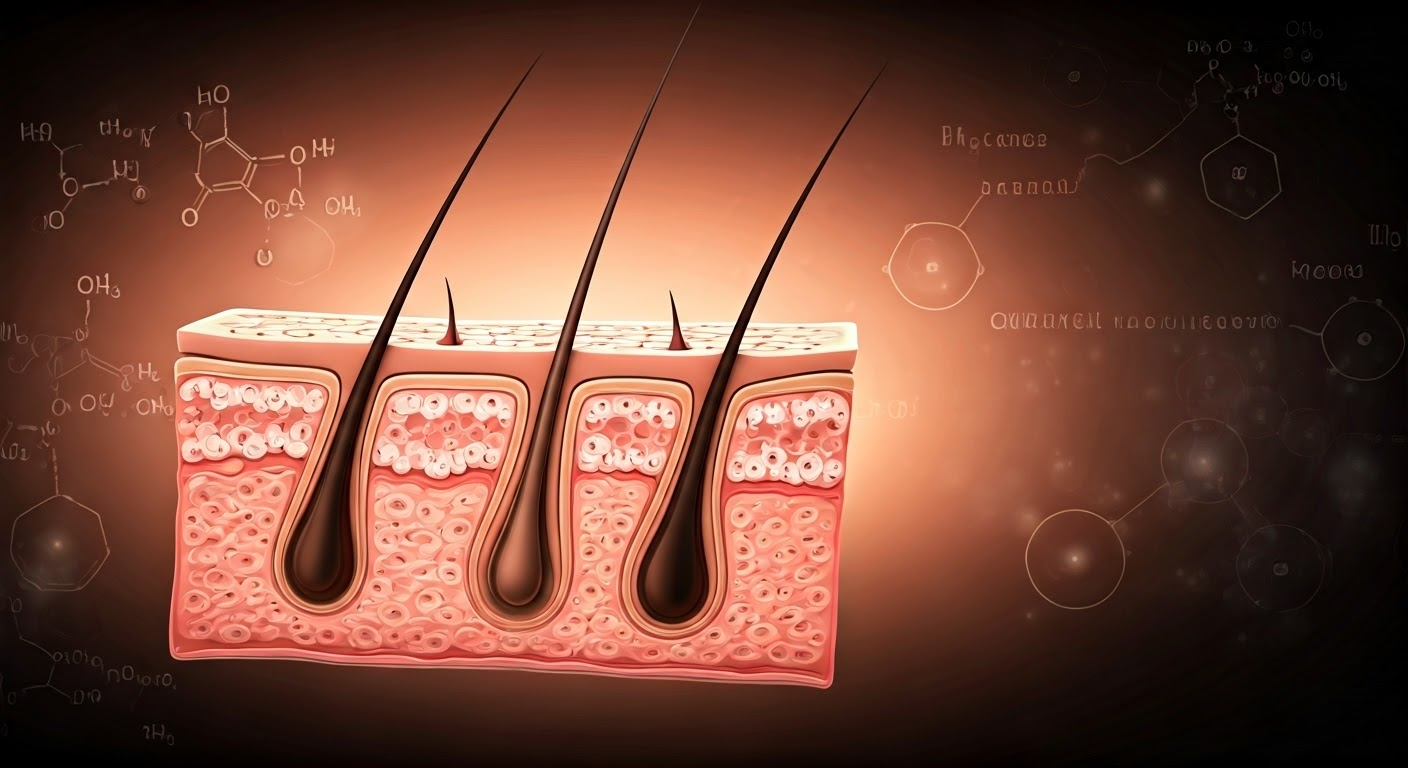
Creatine may affect hair health because it could raise levels of dihydrotestosterone (DHT). DHT is a hormone linked to hair loss. Knowing how this works helps people understand if taking creatine may impact their hair. This raises worries for those who go to the gym about what side effects they might face.
Understanding DHT – The Hormone Linked to Hair Loss
Dihydrotestosterone, or DHT, is very important in causing hair loss. This is especially true for conditions like androgenetic alopecia, which is also called male pattern baldness. DHT is a strong hormone that comes from testosterone, thanks to an enzyme called 5-alpha reductase. When DHT levels go up, hair follicles that can be affected start to shrink. This causes hair to get thinner and fall out more easily. Knowing how DHT works helps explain why some people notice more hair loss when they take creatine supplements. This is especially true for those who are already likely to have thinning hair due to their genes. Understanding this hormone can help people who are worried about their hair while trying to build muscle.
Creatine’s Role in Hormonal Fluctuations
There is a lot of interest in how creatine supplementation can affect hormones. Studies show that creatine might change levels of dihydrotestosterone (DHT). This hormone is known to be linked to hair loss problems, such as androgenetic alopecia. When people do resistance training, their free testosterone levels can vary, which might raise DHT levels. This relationship makes gym goers curious about the long-term effects on hair follicles, especially in male athletes. They are often seen as being at a greater risk for hair thinning because of their higher DHT exposure.
User Experiences and Anecdotal Evidence
Many gym fans have talked about their experiences with creatine supplementation and how it may affect hair health. Some personal stories suggest that higher levels of DHT could lead to hair thinning, especially in male athletes who do tough resistance training. The science world has not yet proven a clear connection, but many people keep sharing their thoughts. These stories show both good and bad results regarding hair growth and strength gains. They also highlight how creatine monohydrate can work differently for different people, showing that the effects of dietary supplements can be quite personal.
Testimonials from Gym Enthusiasts
Experiences shared by gym lovers show different views on creatine supplementation and hair loss. Some people talk about the clear benefits, like stronger muscles and better athletic performance. They do not notice any changes in their hair thickness. On the other hand, some others worry about possible side effects. They mention seeing more hair fall after they began taking creatine. These different stories highlight how individual reactions to creatine use can vary. This means that the chances of hair loss may be different for each person and how well creatine monohydrate works can also change.
Survey Data on Creatine Users and Hair Changes
Recent survey data from people using creatine shows that experiences with hair changes differ. Some people report noticeable hair loss, but others see no major effects. In fact, many participants said their hair got thicker after a few weeks of creatine monohydrate supplementation. These results suggest that how someone responds may relate to their genetics, like being prone to male pattern baldness and their levels of DHT. Ongoing research and feedback from users will help us understand more about how creatine supplementation affects hair health.
Addressing Common Concerns and Myths
Many people doubt creatine supplementation, especially when it comes to hair health. Some think that creatine causes hair loss because it might raise DHT levels and lead to male pattern baldness. However, recent studies, including those from the Journal of the International Society of Sports Nutrition, show little proof linking creatine to hair loss or major changes in hair growth. It’s important to separate personal stories from scientific facts to clear up myths about creatine use. When used responsibly, creatine usually does not harm hair health.
Debunking Myths: Creatine and Stereotypes
Misunderstandings about creatine often come from false ideas. Many think that using creatine only leads to aggressive behavior or too much muscle gain. They forget that creatine can actually help improve athletic performance, and this is backed by science. Research shows that, when used in the right amount, creatine is safe and does not cause major side effects. Also, the claim that creatine causes hair loss is mostly based on stories, not strong evidence. It is important to recognize these myths. This is especially true for those who want to improve their fitness routine.
Scientific Clarifications on Creatine Misconceptions
Many people have false ideas about creatine supplementation and its impact on hair health. Research, including studies from the Journal of the International Society of Sports Nutrition, shows clear evidence that creatine does not lead to hair loss. While there might be changes in DHT levels, these are more about creatine use indirectly, not a direct cause. This means you can improve exercise performance and muscle strength without a big risk of losing hair thickness or increasing the chance of male pattern baldness. It is important to understand these details for better decision-making.
Expert Opinions on Creatine Usage and Hair Health
 Insights from experts show that creatine supplementation, especially creatine monohydrate, is not directly linked to hair loss. Dermatologists say any possible connection might come from hormonal changes, particularly higher levels of dihydrotestosterone (DHT), which can affect certain hair follicles. Fitness professionals point out the need for responsible use and careful monitoring of how your body responds to avoid negative effects. It’s important to understand how creatine helps athletic performance and its possible impact on hair health when making decisions.
Dermatologists’ Views on Creatine and Hair Loss
Dermatologists mostly agree that there is little direct evidence linking creatine supplementation to hair loss. Genetic factors and hormonal changes, especially higher DHT levels, are key in conditions like male pattern baldness. Some athletes report worries about hair thinning, but most experts say more research is needed. They suggest that people should keep an eye on how their bodies react to creatine use, especially if they have a family history of androgenetic alopecia. This can help reduce possible risks related to hair follicle sensitivity and growth cycles.
Fitness Experts’ Recommendations on Supplement Use
Using creatine in your fitness routine can be helpful, but experts say it’s best to take a balanced approach. Many recommend starting with smaller doses to see how your body reacts, especially if you’re worried about side effects like hair loss. Keeping an eye on your hydration is important too since creatine can cause water retention. It’s a good idea to talk to a healthcare provider before you start taking it, especially if you have a family history of androgenetic alopecia. In the end, knowing your health conditions can help you use this popular supplement safely and effectively.
Practical Advice for Creatine Users Concerned About Hair Loss
 For anyone concerned about hair loss from using creatine, it’s important to use it in moderation. Sticking to the recommended doses can reduce any risks. Talking to a healthcare provider can give you tailored advice. Eating a balanced diet full of vitamins and minerals may help keep your hair healthy. It’s also key to watch for any changes in hair thickness or shedding. Keeping up with new research can help ease your worries. Furthermore, it might be good to look into other supplements that help build muscle without the side effects that come with creatine.
Guidelines on Responsible Creatine Consumption
Creatine supplementation can be helpful, but it should be done carefully. Start with a lower dose, around 3-5 grams a day. This helps your body to adjust and reduces the chances of side effects like water retention or muscle cramping. Make sure to drink plenty of water. This is important for good kidney function and overall health when taking creatine. Also, taking breaks from creatine use can help the supplement work better and manage any hormone changes. It’s always a good idea to talk to a healthcare provider before starting any new diet or supplement plan. This will help you be safe and get the best results.
Alternatives to Creatine That Don’t Affect Hair
Exploring other options besides creatine supplementation can help those worried about hair loss. Branched-chain amino acids (BCAAs) are a great choice. They support muscle growth and do not change DHT levels. Another good option is Beta-Alanine, which boosts endurance and reduces muscle fatigue without affecting hormones like creatine does. Whey protein also helps with muscle recovery and growth. It allows athletes to keep performing at their best without harming hair follicles. These alternatives let people reach their fitness goals while lessening concerns about hair health.
Conclusion
In summary, the link between creatine supplementation and hair loss is not straightforward. Some people worry about how it might affect their hair, but the proof out there is mostly based on personal stories. When considering the improve of athletic performance and taking care of your health, it’s important for individuals to speak with healthcare providers about their unique situations. In the end, experiences can differ. A careful and informed way to approach creatine use can help reduce possible risks while boosting muscle growth and performance.
Frequently Asked Questions
Does stopping creatine use reverse hair loss?
Stopping creatine use might not ensure that hair loss will go away. How people respond to stopping can be different. Things like genes and hormones are important for hair health. Some users say they see improvements over time, but there is not strong scientific proof. It’s a good idea to keep an eye on any changes.
Are there specific types of creatine that are less likely to cause hair loss?
Most forms of creatine, such as creatine monohydrate, are usually thought to be safe. However, there is not a lot of research about how they affect hair loss. The way creatine affects hormone levels can be different for each person. It’s best to talk to a healthcare professional for advice that fits your needs.
How long does it typically take to notice hair changes with creatine use?
Hair changes from creatine use can be different for each person. Some people might see changes in just a few weeks. Others might not notice anything for several months. Things like genetics, how much you take, and how long you use it are important in deciding how quickly you will see effects.
Can proper hydration minimize the risk of hair loss with creatine?
Good hydration is important for your health and may also affect your hair. Drinking enough water while using creatine might help reduce certain side effects. This includes changes in hormones that can lead to hair loss. Staying hydrated can help keep your hair healthy, which is great for those who go to the gym.
Are there any age restrictions for creatine use concerning hair health?
Creatine is usually safe for adults. However, young people, especially those under 18, should be careful with its use. This is because it might affect hormones. It is a good idea to talk to a healthcare professional. They can give personal advice and help with any worries about hair health linked to creatine use.
Summary of Key Points and Future Research Directions
In short, creatine may affect hair loss because of changes in hormones and DHT levels. Future studies need to look at how creatine supplementation can impact hair health over a long time. They should also consider how different people respond to these supplements.

Alex Rogers is a supplement manufacturing expert. He has been formulating, consulting, & manufacturing dietary supplements since 1998. Alex invented protein customization in 1998 & was the first company to allow consumers to create their own protein blends. He helped create the first supplement to contain natural follistatin, invented whey protein with egg lecithin, & recently imported the world’s first 100% hydrolyzed whey.